

Ahá! (Hello!)
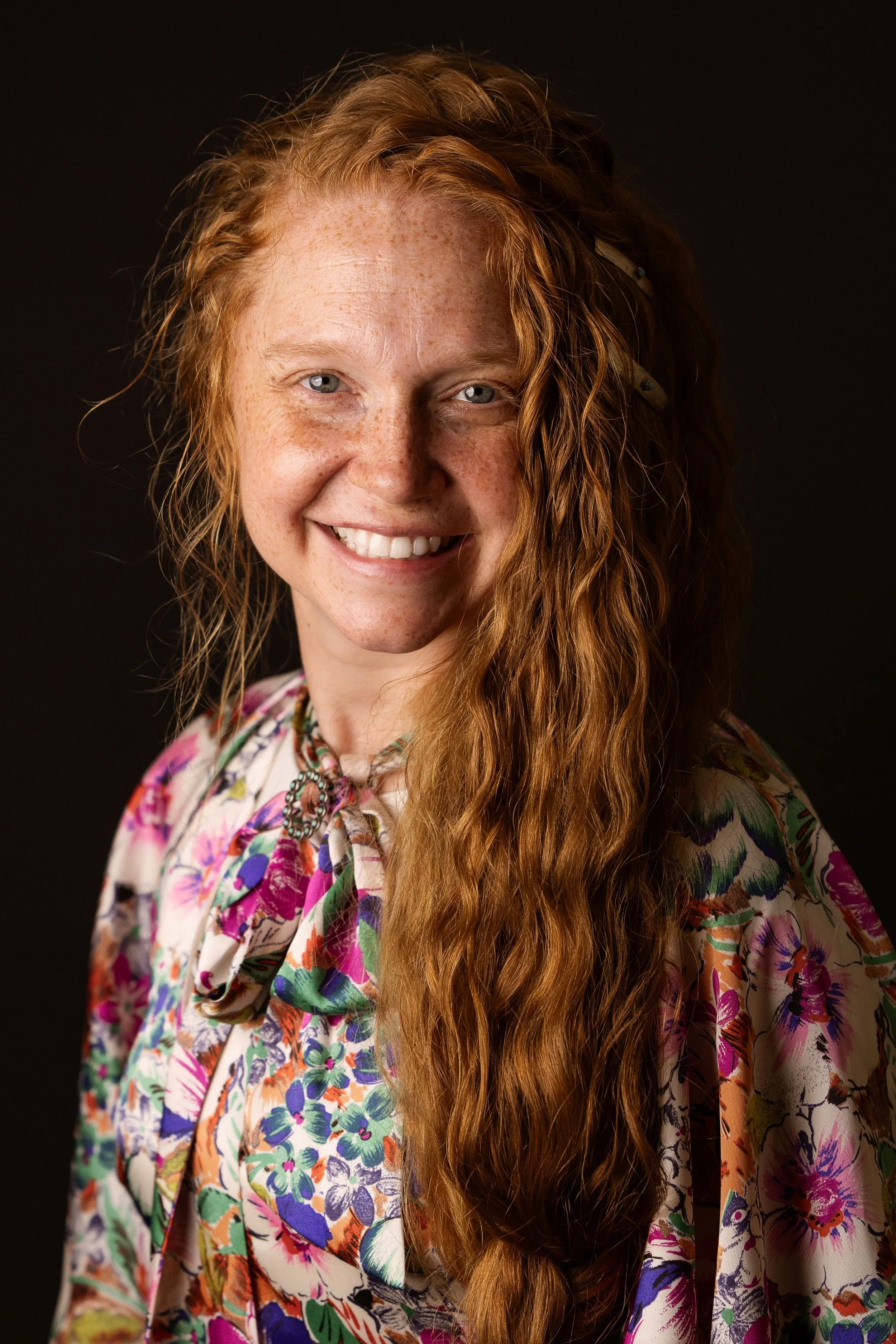
My name is Chelsie Baldwin. I'm a citizen of the Iowa Tribe of Kansas and Nebraska and a member of the Pigeon Clan. My grandparents were Chief Henry Kihegainga, known as Little Chief, and Elizabeth "Lizzie" Robidoux-Kihega. Being part of the pigeon clan means choosing service over status - a legacy I carry into this work.
By blood, my family also carries French ancestry through the Robidoux line, along with Flandreau Santee Sioux and Yankton Dakota heritage. On my mother's side, my family is predominantly German.
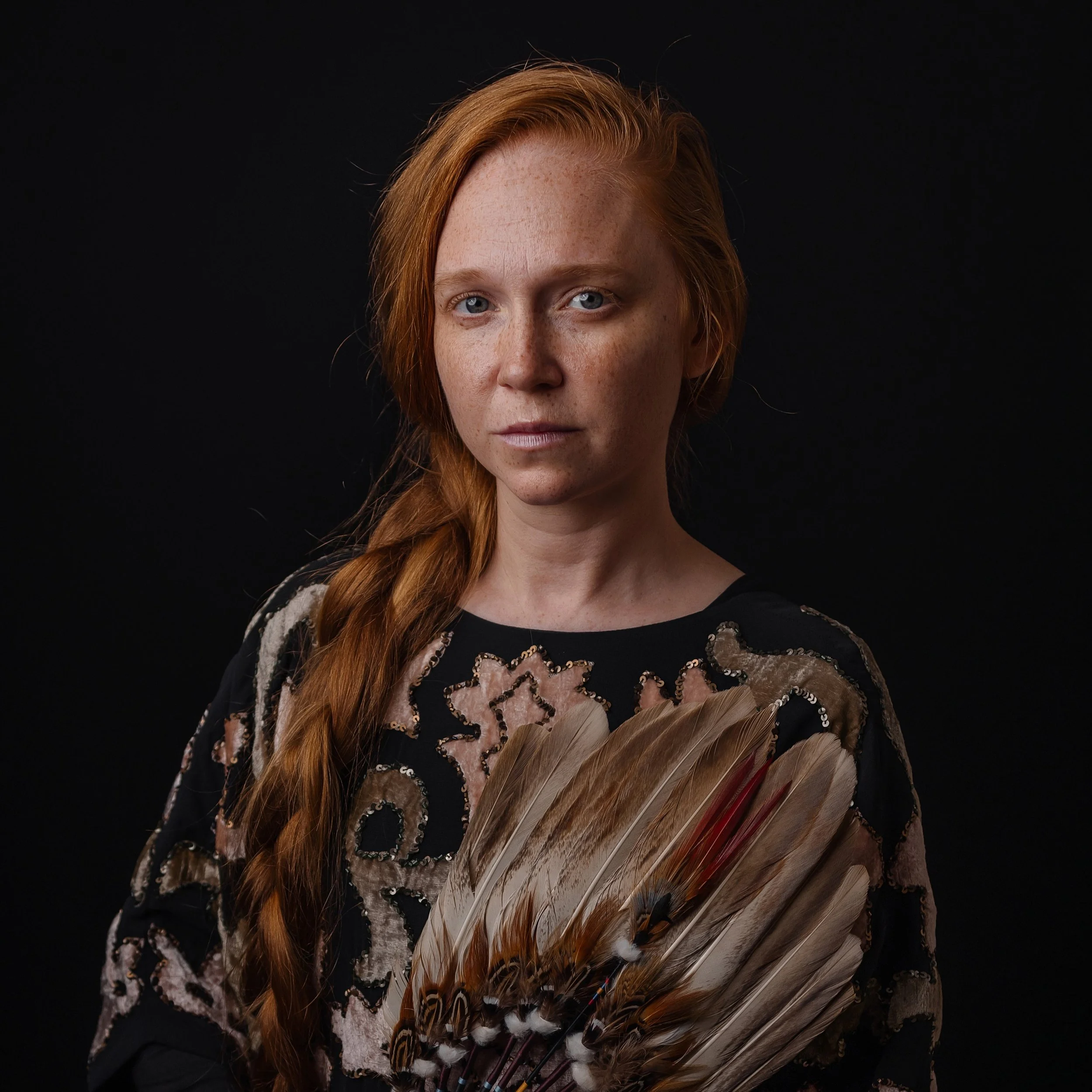
Meet the Founder
I have spent more than twenty years walking alongside Tribal Nations, nonprofits, ministries, and community leaders working to protect people, strengthen communities, and build opportunities that did not exist before.
My path into this work was not linear. I came through social work, victim advocacy, Tribal justice, community development, building nations, grant strategy, and organizational leadership. Each chapter taught me something different, but the purpose beneath them has remained the same: helping people and communities move from crisis toward strength, from possibility toward action, and from work carried by a few extraordinary people toward institutions capable of carrying the mission together.
That perspective shapes the way I lead today.
I do not enter an organization assuming the answer is another plan, program, or funding opportunity. I listen for what the community is carrying, what leaders are trying to protect, where the systems are failing them, and what must be built so the work can endure.
Through Coppertop Consulting, I partner with Tribal Nations and mission-driven organizations to strengthen leadership, strategy, governance, funding, and organizational infrastructure. The tools may change from one engagement to the next, but the goal remains consistent: to help build something strong enough to serve people well and continue doing so for generations.
Why I Build
People often assume my work is about governance, strategic planning, or grant funding. The truth is, those have never been the reason.
For more than two decades, I worked alongside Tribal Nations addressing some of our communities' greatest challenges - from victim advocacy and justice systems to youth homelessness, community development, and organizational leadership.
What I learned was simple.
Communities rarely struggle because people lack passion.
They struggle because the institutions that carry that passion are often asked to shoulder more than they were built to sustain.
That realization changed the direction of my work.
Today, I help organizations build the leadership, governance, and systems that allow their mission to endure - not because institutions matter more than people, but because strong institutions protect people, preserve culture, and strengthen communities for generations.
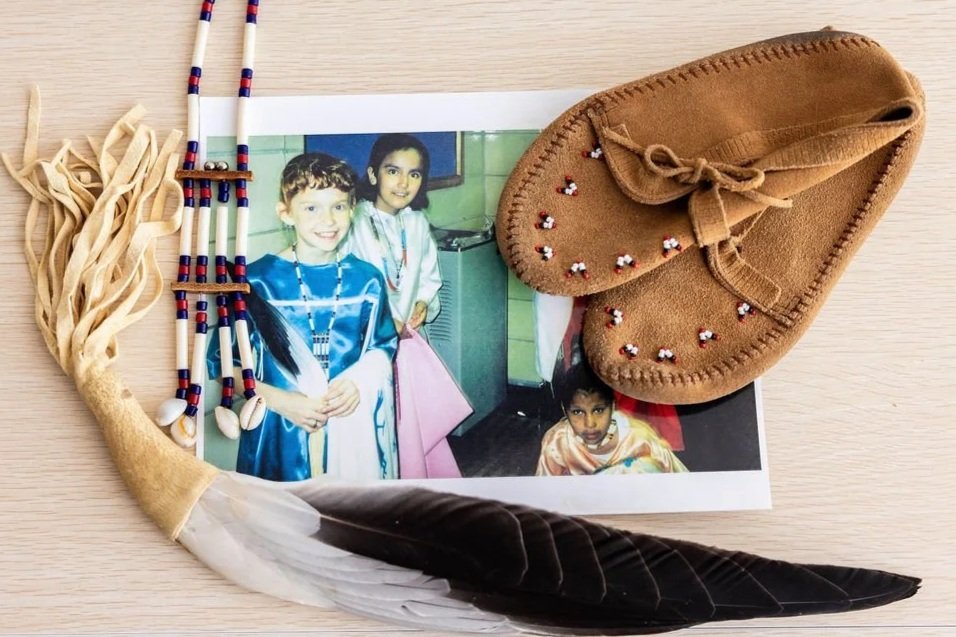
núdan hánga
war leader
I choose the path of the war leader - to protect what is sacred. My first responsibility is the well-being of the people entrusted to my care. I will lead with courage when others fear, with wisdom before action, and with humility before honor. I will carry the weight of difficult decisions without forgetting that leadership is a sacred trust, not a personal privilege. I will prepare before crisis, stand firm in adversity, and remain faithful to the values, culture, and future of the people I serve. My strength will be measured not by what I conquer or create, but by what I preserve; not by the recognition I receive, but by the generations who inherit a stronger nation because I chose to serve. I will leave organizations and nations more resilient, more unified, and more capable than I found them, knowing that the highest calling of a leader is not to build a legacy for a few, but to build a future that outlives them and affects generations.