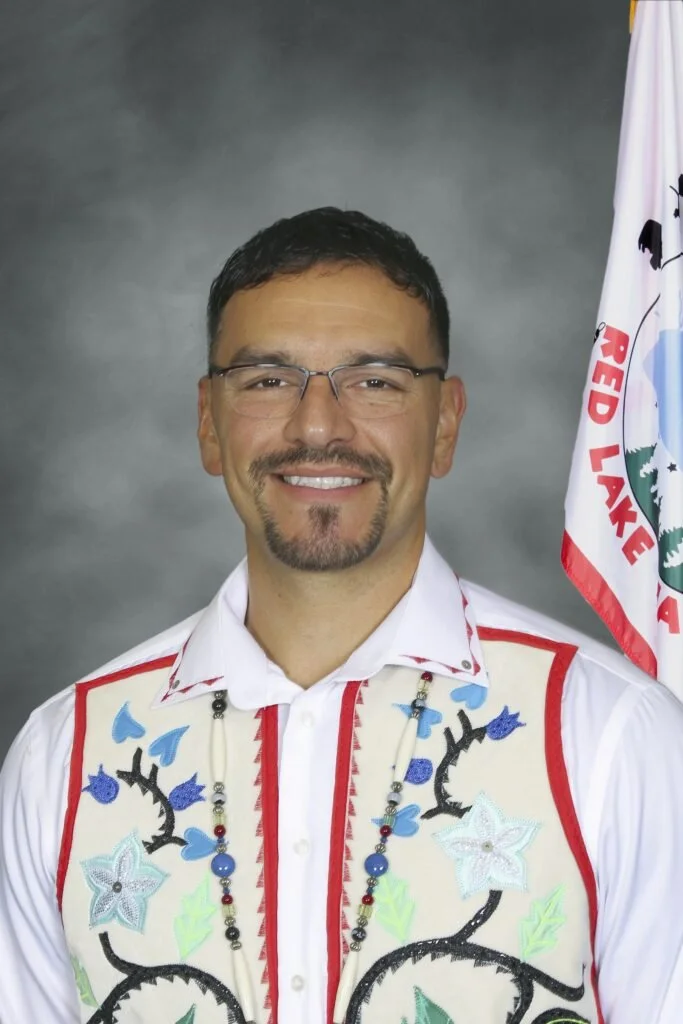
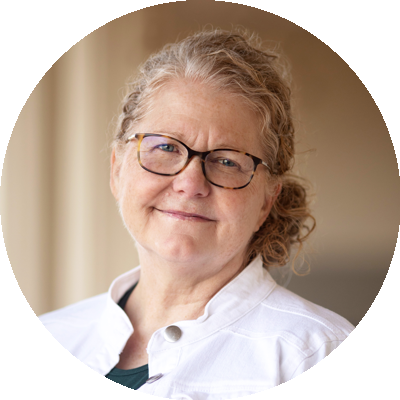
What Our Clients Say Thomas Barrett, Jr Tribal Councilman of Red Lake Nation and ED of Red Lake Boys & Girls Club
Chelsie has been an essential partner to our Boys & Girls Club for more than six years. Her expertise in organizational development, grant strategy, and youth-focused program design has directly strengthened our capacity and impact. She helped us launch a $2.5M emergency youth shelter, secured millions in grants for the club, supported multiple community needs assessments, and prepared presentations that moved our Tribal Council to action. Chelsie is dependable, skilled, and deeply committed to tribal communities.
Meg Hagan Post Award Grant Specialist at Corner Alliance
When you have the opportunity to work with Chelsie, it truly elevates your goals. You can count on Chelsie to move you closer to your program and nonprofit aspirations. She has a unique ability to help others to see the big picture and break down the tactical skills to get there. In addition to the technical skills Chelsie offers, she is driven by a passion for each mission she partners with and brings integrity and transparency to work.
Kevin Brennenstuhl Project Coordinator at National Criminal Justice Training Center
Chelsie has a great handle on the strategic planning process, including understanding how multiple processes flow into the larger organizational picture. Her action plan design was immaculate.
Angela Thompson Pawnee Nation Business Council Treasurer
Chelsie has a very strong grasp of technical writing skills. She knew our people inside and out and helped relay technical information to community partnerships, clients, and funding agencies in an accessible way. She explained our program services clearly to clients, funders, and partners and made the most of grant writing to gain new leads and customize her proposals to funding agencies.”
Rick Hughes CEO of Kingdom Advance Ministry
Ms. Baldwin is an individual who comes to you with my highest regard and respect, both in business and in her lifestyle choices. Chelsie is a highly motivated woman who passionately believes in her inner strength to overcome challenges and to see the world changed through her valiant efforts.
Raven Word Communications Director at Alliance of Tribal Coalitions to End Violence
As a colleague of Chelsie Baldwin, I have seen that she takes great pride in her work. She takes the time to listen to what needs to be done and ensures that it is completed accurately. She is creative, considerate, and intelligent. I would trust Chelsie’s feedback or insight into any professional project I might be working on.
Maureen Miller Financial Management Strategist & Educator
For the past few years, I've worked with Chelsie Baldwin as a partner consultant and can’t say enough about her professionalism and expertise. She is incredibly skilled at managing projects, collaborating seamlessly with partners, and always delivering results that exceed expectations. She is highly strategic in her work with nonprofits - helping organizations clarify their goals, strengthen their plans, and raise critical funds through well-crafted grants. Her insight and guidance make a real difference in helping nonprofits grow and thrive.
Katie Northbird Founder of Red Lake Nation Youth Shelter
Coppertop Consulting provided outstanding tribal nonprofit consulting services for our organization. Her professionalism, communication, and commitment to deadlines consistently went above expectations. Every deliverable was well-researched, clearly written, and aligned with our mission and goals. Chelsie’s dedication to our success was clear in every part of the process. Her efforts helped us secure every grant we applied for.
Dawn Stover Executive Director of Alliance of Tribal Coalitions To End Violence
I thoroughly enjoyed my time working with Chelsie and came to know her as a truly valuable asset to absolutely any team. She is honest, dependable, and incredibly hard-working. Beyond that, Chelsie is an impressive public speaker, advocate, and coordinator who is always ready to strive ahead and make strides to a better future. She was a key player in moving the domestic and sexual assault movement forward.
Val Thornton Spiritual and Professional Mentor of 5 years
Chelsie is intelligent, diligent, and deeply dedicated in all areas of her life. She approaches responsibility with focus and seriousness, particularly when navigating complex situations that require careful judgment. I have personally witnessed her overcome significant challenges and push through difficult processes, remaining committed to finding outcomes that are fair and constructive for everyone involved. She is also extremely loyal and dependable. Once she commits to a responsibility, a person, or a cause, she follows through consistently. Her reliability and ethical grounding make her someone others trust and respect.
Rick Lovall President of UPC Stewardship Group
Chelsie always brings first-class ideas and problem solving skills to the table. I look forward to seeing her future accomplishments!
Make it Awards & Honor : Axóbe National Center for American Indian Enterprise Development 40 Under 40 Award Recipient
Recipient of the 2021 Native American 40 Under 40 Award, recognized by the National Center for American Indian Enterprise Development for outstanding leadership, innovation, and contributions to Native communities and economic development.
U.S. Department of Justice Best Practice Program Recognition & FBI Collaboration Recognition
Founder of the Indigenous Pawnee Healing Center, recognized nationally for innovative approaches to healing and victim support, and honored for critical partnership and undercover work that contributed to the dismantling of a major trafficking ring targeting Native communities.
National Tribal Trial College
Graduate of the National Tribal Trial College, earning a nationally recognized Certificate in Tribal Court Legal Advocacy through the University of Washington Law School. Recognized as a distinguished graduate of the program's inaugural class for excellence in Tribal legal advocacy and courtroom practice.
2021 Winning Grant Proposal Competition
Received Honorable Mention in the 2021 Winning Grant Proposal Competition, presented by GrantStation in partnership with the Grant Professionals Association, recognizing excellence in grant proposal writing and competitive funding strategy.
Public Speaker, Oklahoma State Capitol (4 Invited Engagements)
Invited on four occasions to speak at the Oklahoma State Capitol, representing Tribal crime victims and advocates while helping inform policymakers and elevate awareness of issues impacting Native communities.
UPCI Innovation Fellow
Selected as a 2021 UPCI Innovation Fellow to develop a grant development strategy for the United Pentecostal Church International, advancing sustainable funding models for faith-based missions and organizational growth.
Coalition–Tribal Government Partnership
Led the development and launch of Oklahoma's first coalition-funded, tribally operated transitional housing program for victims of crime. Designed the program from the ground up, including grant implementation, program development, operational systems, and cross-government collaboration between the Native Alliance Against Violence and the Tonkawa Tribe.
Traditional Ojibwe 24-Hour Emergency Youth Shelter
Led the development of Northwest Minnesota's first tribally operated 24-hour emergency youth shelter, partnering with Tribal leadership to design culturally grounded programming, operational systems, and sustainable services for Native youth in crisis.
National Criminal Justice Training Center (NCJTC)
Recognized for developing a best-practice strategic planning and logic model framework. Invited by the National Criminal Justice Training Center to present the approach in a national webinar and serve as a resource for grantees across the country.
Make it From Vision to Impact Listen & Learn
01 We begin by listening. Every engagement starts with understanding your organization's history, culture, priorities, leadership, and goals.
Learn more Assess & Discover
02 Together, we identify strengths, opportunities, challenges, and the systems that will have the greatest impact.
Learn more Design Together
03 Rather than applying a template, we co-create strategies, governance structures, training, or organizational solutions that fit your community.
Learn more Facilitate & Build
04 Whether through retreats, workshops, executive coaching, or strategic planning, we guide collaborative conversations that create momentum.
Learn more Implement
05 Plans only matter if they're used. We help organizations move from ideas to action with practical tools and implementation support.
Learn more Sustain
06 Our goal isn't dependency.
It's helping your organization build the confidence, leadership, and systems to thrive long after the engagement ends.
Learn more Make it What our clients say Thomas Barrett, Jr Tribal Councilman of Red Lake Nation and ED of Red Lake Boys & Girls Club
Chelsie has been an essential partner to our Boys & Girls Club for more than six years. Her expertise in organizational development, grant strategy, and youth-focused program design has directly strengthened our capacity and impact. She helped us launch a $2.5M emergency youth shelter, secured millions in grants for the club, supported multiple community needs assessments, and prepared presentations that moved our Tribal Council to action. Chelsie is dependable, skilled, and deeply committed to tribal communities.
Meg Hagan Post Award Grant Specialist at Corner Alliance
When you have the opportunity to work with Chelsie, it truly elevates your goals. You can count on Chelsie to move you closer to your program and nonprofit aspirations. She has a unique ability to help others to see the big picture and break down the tactical skills to get there. In addition to the technical skills Chelsie offers, she is driven by a passion for each mission she partners with and brings integrity and transparency to work.
Kevin Brennenstuhl Project Coordinator at National Criminal Justice Training Center
Chelsie has a great handle on the strategic planning process, including understanding how multiple processes flow into the larger organizational picture. Her action plan design was immaculate.
Angela Thompson Pawnee Nation Business Council Treasurer
Chelsie has a very strong grasp of technical writing skills. She knew our people inside and out and helped relay technical information to community partnerships, clients, and funding agencies in an accessible way. She explained our program services clearly to clients, funders, and partners and made the most of grant writing to gain new leads and customize her proposals to funding agencies.”
Rick Hughes CEO of Kingdom Advance Ministry
Ms. Baldwin is an individual who comes to you with my highest regard and respect, both in business and in her lifestyle choices. Chelsie is a highly motivated woman who passionately believes in her inner strength to overcome challenges and to see the world changed through her valiant efforts.
Raven Word Communications Director at Alliance of Tribal Coalitions to End Violence
As a colleague of Chelsie Baldwin, I have seen that she takes great pride in her work. She takes the time to listen to what needs to be done and ensures that it is completed accurately. She is creative, considerate, and intelligent. I would trust Chelsie’s feedback or insight into any professional project I might be working on.
Maureen Miller Financial Management Strategist & Educator
For the past few years, I've worked with Chelsie Baldwin as a partner consultant and can’t say enough about her professionalism and expertise. She is incredibly skilled at managing projects, collaborating seamlessly with partners, and always delivering results that exceed expectations. She is highly strategic in her work with nonprofits - helping organizations clarify their goals, strengthen their plans, and raise critical funds through well-crafted grants. Her insight and guidance make a real difference in helping nonprofits grow and thrive.
Katie Northbird Founder of Red Lake Nation Youth Shelter
Coppertop Consulting provided outstanding tribal nonprofit consulting services for our organization. Her professionalism, communication, and commitment to deadlines consistently went above expectations. Every deliverable was well-researched, clearly written, and aligned with our mission and goals. Chelsie’s dedication to our success was clear in every part of the process. Her efforts helped us secure nearly every grant we applied for.
Dawn Stover Executive Director of Alliance of Tribal Coalitions To End Violence
I thoroughly enjoyed my time working with Chelsie and came to know her as a truly valuable asset to absolutely any team. She is honest, dependable, and incredibly hard-working. Beyond that, Chelsie is an impressive public speaker, advocate, and coordinator who is always ready to strive ahead and make strides to a better future. She was a key player in moving the domestic and sexual assault movement forward.
Val Thornton Spiritual and Professional Mentor of 5 years
Chelsie is intelligent, diligent, and deeply dedicated in all areas of her life. She approaches responsibility with focus and seriousness, particularly when navigating complex situations that require careful judgment. I have personally witnessed her overcome significant challenges and push through difficult processes, remaining committed to finding outcomes that are fair and constructive for everyone involved. She is also extremely loyal and dependable. Once she commits to a responsibility, a person, or a cause, she follows through consistently. Her reliability and ethical grounding make her someone others trust and respect.
Make it Our Commitment to Every Client We Listen First
Every engagement begins by understanding your organization, culture, and community.
Learn more We Customize Everything
No templates. Every engagement is built specifically for your organization.
Learn more We Honor Tribal Sovereignty
We recognize that every Tribal Nation and organization has its own history, governance, and priorities.
We Focus on Sustainability
Our goal is to build systems and leadership that last long after the engagement ends.
Learn more We Build With You
We work alongside your team - not around it.
Learn more We Measure Success Together
Success is defined by the goals you establish and the capacity your organization builds along the way.
Make it Trusted With What Matters Most Thomas Barrett, Jr Tribal Councilman of Red Lake Nation and ED of Red Lake Boys & Girls Club
"Chelsie has been an essential partner to our Boys & Girls Club for more than six years. Her expertise in organizational development, grant strategy, and youth-focused program design has directly strengthened our capacity and impact. She helped us launch a $2.5M emergency youth shelter, secured millions in grants for the club, supported multiple community needs assessments, and prepared presentations that moved our Tribal Council to action. Chelsie is dependable, skilled, and deeply committed to tribal communities."
Meg Hagan Post Award Grant Specialist at Corner Alliance
"When you have the opportunity to work with Chelsie, it truly elevates your goals. You can count on Chelsie to move you closer to your program and nonprofit aspirations. She has a unique ability to help others to see the big picture and break down the tactical skills to get there. In addition to the technical skills Chelsie offers, she is driven by a passion for each mission she partners with and brings integrity and transparency to work."
Angela Thompson Pawnee Nation Business Council Treasurer
"Chelsie has a very strong grasp of technical writing skills. She knew our people inside and out and helped relay technical information to community partnerships, clients, and funding agencies in an accessible way. She explained our program services clearly to clients, funders, and partners and made the most of grant writing to gain new leads and customize her proposals to funding agencies.”
Rick Hughes CEO of Kingdom Advance Ministry
"Ms. Baldwin is an individual who comes to you with my highest regard and respect, both in business and in her lifestyle choices. Chelsie is a highly motivated woman who passionately believes in her inner strength to overcome challenges and to see the world changed through her valiant efforts."
Dawn Stover Executive Director of Alliance of Tribal Coalitions To End Violence
"I thoroughly enjoyed my time working with Chelsie and came to know her as a truly valuable asset to absolutely any team. She is honest, dependable, and incredibly hard-working. Beyond that, Chelsie is an impressive public speaker, advocate, and coordinator who is always ready to strive ahead and make strides to a better future. She was a key player in moving the domestic and sexual assault movement forward."
Kevin Brennenstuhl Project Coordinator at National Criminal Justice Training Center
"Chelsie has a great handle on the strategic planning process, including understanding how multiple processes flow into the larger organizational picture. Her action plan design was immaculate."
Raven Word Communications Director at Alliance of Tribal Coalitions to End Violence
"As a colleague of Chelsie Baldwin, I have seen that she takes great pride in her work. She takes the time to listen to what needs to be done and ensures that it is completed accurately. She is creative, considerate, and intelligent. I would trust Chelsie’s feedback or insight into any professional project I might be working on."
Maureen Miller Financial Management Strategist & Educator
"For the past few years, I've worked with Chelsie Baldwin as a partner consultant and can’t say enough about her professionalism and expertise. She is incredibly skilled at managing projects, collaborating seamlessly with partners, and always delivering results that exceed expectations. She is highly strategic in her work with nonprofits - helping organizations clarify their goals, strengthen their plans, and raise critical funds through well-crafted grants. Her insight and guidance make a real difference in helping nonprofits grow and thrive."
Katie Northbird Founder of Red Lake Nation Youth Shelter
"Coppertop Consulting provided outstanding tribal nonprofit consulting services for our organization. Her professionalism, communication, and commitment to deadlines consistently went above expectations. Every deliverable was well-researched, clearly written, and aligned with our mission and goals. Chelsie’s dedication to our success was clear in every part of the process. Her efforts helped us secure nearly every grant we applied for."
Val Thornton Spiritual and Professional Mentor of 5 years
"Chelsie is intelligent, diligent, and deeply dedicated in all areas of her life. She approaches responsibility with focus and seriousness, particularly when navigating complex situations that require careful judgment. I have personally witnessed her overcome significant challenges and push through difficult processes, remaining committed to finding outcomes that are fair and constructive for everyone involved. She is also extremely loyal and dependable. Once she commits to a responsibility, a person, or a cause, she follows through consistently. Her reliability and ethical grounding make her someone others trust and respect."
Make it Meet Chelsie Before I Had a Name For It
01 I was giving my toys away before I understood what generosity cost. I taught Bible stories to other kids on the playground and prayed for my friends to be healed, because that's just what you did if you believed God was real and paying attention. I grew up in a home that held real hardship - and held me even more fiercely through it. My dad, who raised me and loved me as his own, was a Vietnam veteran carrying wounds of his own. My mom was tougher than anyone I've ever met. I learned early that love and difficulty can live in the same house, and that neither one cancels the other out.
Running was the other constant. State champion. International team. Discipline before I had a word for discipline - just the daily decision to show up and put one foot in front of the other, long past the point it stopped being fun.
Learn more The Years I Ran My Own Way
02 A full-ride scholarship took me to Wichita State, where I ran Division I cross country and track and earned a degree in social work - the field, fittingly, I'd spend the next two decades actually living out. But college was also the season I walked away from what I'd been raised to believe. I chased what I wanted instead of what I was made for. I stayed in relationships that cost far more than they gave. I became a mother to my oldest son during a season that tested me in every way a season can.
Learn more The Year I Caught Fire
03 Everything changed in 2010. I met God in a way I couldn't argue my way out of - not a slow return, but a collision. I got baptized. I became, in the words of people who knew me before, "radical" - on fire in a way that reordered every priority I had. I dedicated my life to His kingdom, and I started praying for purpose with everything in me. I wanted to be a missionary. I just didn't know yet what that would actually look like.
Learn more Social Media
04 We design and curate content that builds a consistent and engaging online presence.
Learn more Make it Wapíhi: Learning That Shaped My Work Understanding People
Wichita State University
Bachelor of Arts in Social Work
Minor in Sociology • NCAA Division I Athlete
My journey began with people. Studying social work taught me to see the whole person, sociology helped me understand the systems surrounding them, and competing as a Division I athlete instilled the discipline, resilience, and perseverance required to pursue meaningful work over the long term. Together, these experiences laid the foundation for a career centered on service, leadership, and lasting impact.
Learn more Strengthening Sovereignty
University of Washington School of Law
National Tribal Trial College
Tribal law expanded my understanding of sovereignty beyond legal theory. It taught me that justice is strengthened through capable leadership, culturally grounded institutions, and governance systems that reflect the values of the people they serve. That perspective continues to shape the way I partner with Tribal Nations today.
Learn more Building Nations
Southeastern Oklahoma State University
M.S. Native American Leadership: Nation Building
Graduate studies in Nation Building have provided language and framework for work I had been practicing for years. This journey continues to deepen my understanding of governance, leadership, institutional development, and strategic capacity -reinforcing my belief that the strongest organizations are those intentionally built to serve future generations.
Learn more Make it At My Table Listen Deeply
I ask more questions than I answer, and I reflect and actively listen. That's intentional.
Every Tribal Nation, every organization, and every community carries its own history, strengths, challenges, and ways of knowing. I don't arrive with a framework looking for a place to apply it. I begin by listening - to your people, your story, and what you're working to protect for future generations.
I've found that the best solutions are rarely imposed. More often, they're discovered together.
Learn more Look Deeper
Some people naturally see details.
I naturally see patterns.
I'm drawn to the connections between governance and culture, leadership and trust, funding and sustainability, vision and implementation. Sometimes the most important work isn't solving the obvious problem—it's recognizing the deeper challenge that's been quietly shaping everything else.
That perspective allows me to ask different questions and often uncover possibilities that were already present, just waiting to be seen.
Learn more People First
Strategic plans matter.
Governance matters.
Funding matters.
But none of those things are the reason I do this work.
Behind every board meeting, every policy, every grant, and every organizational chart are people carrying responsibilities that matter deeply to them. I never want to become so focused on systems that I lose sight of the communities those systems exist to serve.
For me, institutions have never been the destination.
They're how we better serve people.
Learn more Tell The Truth
The strongest partnerships aren't built on having all the answers.
They're built on honesty, consistency, humility, and the willingness to have difficult conversations with care.
I'll celebrate what's working.
I'll tell you the truth when something isn't.
And I'll always approach your organization with the same respect I'd hope someone would bring to my own.
Learn more Leave Stronger
At the end of every engagement, my goal isn't for clients to remember my recommendations.
It's for them to feel more confident in their own leadership.
I don't measure success by how much an organization depends on me.
I measure it by what leaders are able to accomplish after our work together is complete.
Because the strongest consulting relationships don't create dependence.
They cultivate confidence.
Make it Character Shapes Leadership Faith
For Coppertop Consulting, faith means believing in the capacity of people, leaders, and communities to grow, adapt, and build a stronger future together.
Learn more Virtue
Virtue is the backbone of sustainable leadership - character in action. At Coppertop, we define virtue as the daily discipline of aligning decisions with values, fostering trust, and creating lasting impact.
Learn more Knowledge
Knowledge is power when put into practice. At Coppertop, we see knowledge as a living tool - learning, applying, and sharing to build sustainable futures.
Learn more Kindness
We design and curate content that builds a consistent and engaging online presence.
Learn more Love
Love is the highest form of leadership. At Coppertop, we define love as choosing people, every time - building trust, fostering belonging, and working for the flourishing of all.
Make it Featured Impact Stories Strengthening Indigenous Youth Through Strategy & Sustainable Growth
What began as a need for funding evolved into a comprehensive organizational transformation. Together, we strengthened governance, expanded partnerships, increased youth participation by 54%, secured twelve grants, developed a long-term strategic plan, and built the operational capacity needed to serve Indigenous youth for years to come.
Building a Tribal-Led Model for Youth Crisis Care
Together, we helped transform a vision into Northwest Minnesota's first Tribal youth crisis shelter by building the organizational capacity, sustainable funding model, and culturally grounded systems needed to provide safe, long-term support for Indigenous youth and families.
Building Capacity for Sustainable Humanitarian Response
What began as an opportunity to strengthen operations evolved into building the organizational capacity needed to support disaster response, engage volunteers, expand partnerships, and sustain humanitarian efforts through stronger systems and strategic planning.
Transforming Capacity Into Opportunity
What began as a need for funding evolved into a focus on strengthening the organization's infrastructure. Together, we improved governance, modernized operational systems, enhanced accountability, and positioned the nonprofit to pursue larger funding opportunities with confidence.
Amplifying a Mission Through Strategy & Storytelling
Together, we enhanced the organization's fundraising and communications capacity by strengthening donor engagement, improving grant readiness, and developing tools that better communicated the life-changing impact of vocational training for women in India.
Supporting Teachers, Strengthening Classrooms
Partnering with educators, we enhanced early childhood learning by strengthening curriculum development, expanding classroom resources, and supporting teachers with culturally relevant tools that created more engaging learning experiences for young children.
Building a Model for Justice, Healing, and Community Safety
Through strategic leadership, cross-jurisdictional partnerships, and systems reform, we transformed a single-program initiative into a comprehensive victim services model recognized nationally for innovation, collaboration, and lasting community impact.
Creating New Pathways to Safety and Stability
Together, we transformed an innovative vision into Oklahoma's first coalition-supported, tribally operated transitional housing program—building the partnerships, systems, and organizational capacity needed to provide survivors with safe housing and long-term support.
Preparing an Organization for Greater Impact
As the organization looked toward its next chapter, we partnered to strengthen operations, align strategy with mission, and develop the organizational infrastructure needed to support future growth, expanded services, and long-term sustainability.
Expanding Capacity for a Statewide Mission
Together, we partnered to strengthen organizational governance, clarify leadership roles, and build the systems needed to support long-term sustainability. Through strategic planning, governance development, and operational capacity building, we helped position TCCAC to better serve Tribal early childhood programs and the communities they represent.
View Project What Our Partners Say Katie Northbird, MSW Founder of Gwayakochige-Wigamig 24-hr Youth Shelter
“Coppertop Consulting provided outstanding tribal nonprofit consulting services for our organization. Her professionalism, communication, and commitment to deadlines consistently went above expectations. Every deliverable was well-researched, clearly written, and aligned with our mission and goals. Chelsie’s dedication to our success was evident throughout the process. Her efforts helped us secure every grant we applied for.”
Thomas Barrett, Jr Red Lake Nation Boys and Girls Club
"Chelsie has been an essential partner to our Boys & Girls Club for more than six years. Her expertise in organizational development, grant strategy, and youth-focused program design has directly strengthened our capacity and impact. She helped us launch a $2.5M emergency youth shelter, secured millions in grants for the club, supported multiple community needs assessments, and prepared presentations that moved our Tribal Council to action. Chelsie is dependable, skilled, and deeply committed to tribal communities."
Angela Thompson Pawnee Nation Business Council Treasurer
“Chelsie has a very strong grasp of technical writing skills. She knew our people inside and out and helped relay technical information to community partnerships, clients, and funding agencies in an accessible way. She explained our program services clearly to clients, funders, and partners and made the most of grant writing to gain new leads and customize her proposals to funding agencies.”
Get started How We Partner Community Discovery
Every successful project begins by listening.
Before a funding strategy is developed, we seek to understand the people, culture, leadership, partnerships, and aspirations that make every community unique. Through organizational assessments, stakeholder engagement, demographic research, and meaningful conversations, we uncover not only the challenges communities face - but the strengths they already possess.
• Organizational Assessments
• Community Needs Assessments
• Stakeholder Engagement
• Market Research
• Gap Analysis
• Demographic & Data Analysis
Learn more Program Design
Vision becomes sustainable when it is intentionally designed.
We help organizations transform ideas into fundable, community-driven initiatives by developing culturally responsive programs, measurable outcomes, implementation strategies, logic models, budgets, and evaluation frameworks.
Programs are designed around the community—not around the grant opportunity.
• Program Design
• Logic Models
• Evaluation Plans
• Theory of Change
• Outcomes & Performance Measures
• Sustainability Planning
Learn more Funding Strategy
Funding should advance your mission—not define it.
Rather than chasing isolated opportunities, we build diversified funding portfolios that align federal, state, Tribal, foundation, corporate, and philanthropic investments with your long-term vision.
Every opportunity is evaluated for strategic fit, sustainability, organizational readiness, and community impact.
• Funding Portfolios
• Funding Forecasts
• Grant Calendars
• Prospect Research
• Federal Opportunity Identification
• Foundation Strategy
Learn more Grant Development
Strong proposals begin long before the writing starts.
Successful applications reflect thoughtful planning, meaningful partnerships, compelling narratives, and a deep understanding of both community priorities and funder expectations.
We specialize in developing competitive proposals that combine strategic storytelling with technical precision.
• Federal Applications
• State Applications
• Foundation Proposals
• Budgets
• Letters of Support
• MOUs
• Narrative Development
Learn more Grant Management
Winning funding is only the beginning.
Having managed millions of dollars in federal awards, we understand the responsibilities that come after an award is received. We partner with organizations to strengthen reporting, compliance, financial stewardship, performance measurement, and day-to-day grant administration so funding remains an asset—not a burden.
Our goal is to create confidence through systems, accountability, and proactive management.
• Federal Reporting
• Performance Reports
• Compliance Monitoring
• Grant Administration
• Budget Management
• CFR Guidance
• Monitoring Preparation
Organizational Development
Our goal has never been to make organizations dependent on consultants.
Every engagement is designed to leave your organization stronger than when we arrived. We coach leadership, build operational systems, document institutional knowledge, and implement tools that allow your team to confidently manage funding long after our engagement concludes.
Success is measured not only by funding secured - but by the capacity that remains.
• Monday.com
• SharePoint
• Policies & Procedures
• SOP Development
• Executive Coaching
• Staff Training
• Knowledge Transfer
Make it What Good Strategy Creates Builds Shared Direction
Leadership, staff, boards, and stakeholders understand where the organization is going and why.
Learn more Creates Clearer Priorities
Organizations move beyond competing ideas to make intentional choices about where time, people, and resources belong.
Learn more Strengthens Accountability
Goals become measurable priorities with clear ownership, timelines, and ways to track progress.
Learn more Turns Strategy Into Action
Planning connects directly to governance, operations, funding, programs, and implementation.
Learn more Make it What Strategic Planning With Coppertop Looks Like Understand the Landscape
01 Review organizational context, existing plans, data, governance, programs and operating realities.
Learn more Listen to the People
02 Engage leadership, staff, board members, community members, partners and other stakeholders in ways appropriate to the organization.
Learn more Build Shared Direction
03 Identify strengths, challenges, emerging opportunities, and the decisions that matter most.
Learn more Set Strategic Priorities
04 Translate what we've learned into focused priorities, objectives and meaningful measures of progress.
Learn more Build the Path Forward
05 Connect strategy to responsibilities, timelines, resources, governance and organizational systems.
Learn more Support Implementation
06 Help leadership move the plan off the page through accountability structures, implementation tools and ongoing strategic support.
Learn more Make it